“Decision Gap:” Our Founder’s Reflections

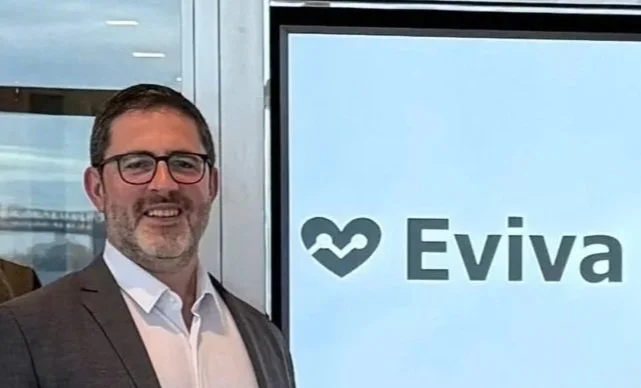
This was my first full year since I left an SVP-level job in pharma and a 7-figure salary to follow my passion. For a while I was bombarded by recruiters about similar jobs, but I declined. Instead, my wife and I spent a big portion of our savings on Eviva. We are particularly proud of our teenage kids who not once questioned this decision.

Why?

Here are my top ten lessons from this year that may shed light on this. If you support our approach, please donate to accelerate our work.

10. Biomedical innovation is critical. But equally important is another problem: people choosing not to use the fruits of this innovation. Let’s call it the “decision gap.”

9. On the flip side, I can now get IV vitamins near my home, no prescription needed. This is also a decision gap, just in the other direction - overuse, rather than underuse.
Make it stand out

This was my first full year since I left an SVP-level job in pharma and a 7-figure salary to follow my passion.


8. Efforts to measure these decision gaps are in their infancy. It will take a village: behavioral science, medical informatics and real-world data, including wellness data.

7. Bad actors are now in charge of our healthcare. To think that we can somehow “go back to normal” through purely political or legal means is misguided.

6. Part of what got us here is the medical establishment ignoring the decision gaps. Take people who are vaccine-hesitant - our current focus. They have been called “scientifically illiterate, irrational, and willfully antiscience and anti-expertise. All the while, the actual concerns… are dismissed or ignored, leaving little room for workable solutions,” says Dr Maya Goldenberg, a Dutch philosopher and social scientist, in her 2021 book, Vaccine Hesitancy.

5.  At Eviva, our research among vaccine-hesitant Americans offered a new direction. They are not ignorant. They just have unanswered questions. For example, African-American moms asking, “were these vaccines studied in people like me?” The answer, sadly, is “Not well.” (These questions can now be answered quickly and relatively cheaply with real-world data).

4. There is no prior research on how many people have such rational unanswered questions, or what those questions are exactly. This is our first priority at Eviva.

3. For someone who has unanswered questions, misinformation is not the problem - it just fills the void.

2. We are not asking for trust. We are empowering people to make better decisions, in a shared decision-making model based on each person’s values.

1. This work touches many  - our friends, loved ones, and likely you and me.

If this resonates, please donate here.

We are also looking for philanthropic and fundraising partners, so please spread the word.

We do not accept industry funding.

Next
Next

Eviva Partners welcomes Julie Williams and Daniel Salmon